

 Muezza
E-commerce businesses constantly strive to convert browsing visitors into paying customers. However, a significant percentage of online shoppers leave without making a purchase, often due to distractions, comparison shopping, or simply not being ready to buy at that moment. This is where remarketing plays a pivotal role, serving as a powerful strategy to re-engage these potential customers, reminding them of products they viewed or items left in their cart, and coaxing them back to complete their transaction. Effective remarketing techniques are essential for nurturing leads, building brand recall, and ultimately boosting conversion rates in a competitive online marketplace.
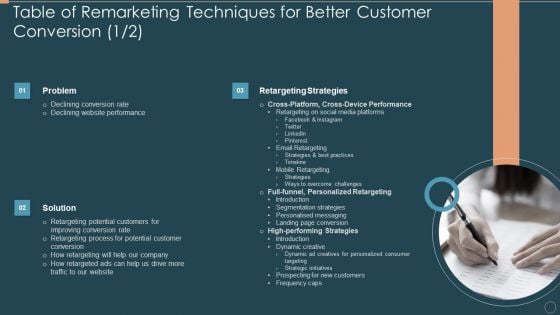
Overview
- Remarketing aims to re-engage visitors who interacted with an e-commerce site but did not convert.
- Key strategies include display advertising, social media retargeting, and email marketing sequences.
- Dynamic Product Ads offer highly personalized product recommendations based on browsing history.
- Abandoned cart email flows are crucial for recovering lost sales.
- SMS remarketing provides an immediate and direct channel for re-engagement.
- Audience segmentation is vital for delivering relevant and timely messages.
- Strategic use of these remarketing techniques significantly improves return on ad spend (ROAS).
Remarketing, also known as retargeting, is a digital marketing tactic that targets ads to users who have previously visited a website or used a mobile app. For e-commerce, this means showing specific ads to people who browsed products, added items to a cart, or even made a previous purchase. The goal is to bring these warm leads back to the site to complete a desired action, leveraging the fact that they’ve already shown interest.
Leveraging Display Advertising as a Core Remarketing Technique
Display advertising networks, such as Google Display Network, offer robust opportunities for remarketing. This remarketing technique involves showing banner ads to users as they browse other websites across the internet. For e-commerce, the power comes from segmentation. Businesses can create audiences based on specific actions: visitors who viewed a particular product category, those who spent a certain amount of time on a product page, or even those who reached the checkout process but didn’t complete it. Ads can then be tailored to these segments. For example, someone who viewed hiking boots might see ads for those exact boots, or complementary products like socks or rain gear, while browsing a news site. This constant, yet targeted, visibility keeps the brand and its products top-of-mind. In the US market, display remarketing campaigns are widely adopted due to their reach and ability to serve visually compelling product ads.
Social Media Retargeting: Powerful Remarketing Techniques for Engagement
Social media platforms have become indispensable for e-commerce remarketing. Platforms like Facebook, Instagram, Pinterest, and TikTok allow businesses to upload customer lists or use pixel data to retarget previous visitors with highly engaging content. This remarketing technique is effective because it reaches users where they spend a significant amount of their online time. Instead of generic ads, businesses can craft messages that resonate with specific user behavior. For instance, a person who added a dress to their cart but abandoned it might see an Instagram ad featuring that same dress, perhaps with a limited-time discount code. Social media retargeting excels at showcasing products in a lifestyle context, using compelling visuals and user-generated content to re-spark interest and drive clicks back to the product page. Video remarketing on these platforms can be particularly impactful, demonstrating product features or benefits in a dynamic way.
Email and SMS Sequences: Direct Remarketing Techniques for Conversion
While often overlooked in favor of ad-based methods, email and SMS marketing remain incredibly powerful remarketing techniques for e-commerce. Email sequences are particularly effective for abandoned cart recovery. When a user leaves items in their cart, an automated email sequence can be triggered. This typically starts with a gentle reminder, followed by subsequent emails offering incentives like free shipping or a small discount to encourage completion of the purchase. Beyond abandoned carts, email remarketing can also target visitors who viewed specific products but didn’t add to cart, sending them related content or product recommendations. SMS remarketing offers an even more immediate channel. With high open rates, a short, timely text message about an abandoned cart or a flash sale can often prompt an instant return to the site. These direct communication channels allow for personalized messaging and a strong call to action, making them invaluable for driving conversions.
Dynamic Product Ads: Advanced Remarketing Techniques for Personalization
Dynamic Product Ads (DPAs) represent one of the most sophisticated and effective remarketing techniques available to e-commerce businesses. Instead of showing a static ad, DPAs automatically pull specific products from a company’s product catalog that a user has previously viewed or interacted with. When a user browses several items on an e-commerce site, the DPA automatically generates an ad featuring those exact products, often accompanied by their price and availability, and delivers it across various platforms like Google Ads or Facebook. This level of personalization is incredibly powerful because it reminds users of precisely what they were interested in, significantly increasing the likelihood of a click and a subsequent purchase. It removes the guesswork from ad creation and ensures that the message is always highly relevant to the individual user’s past behavior. Implementing DPAs effectively requires a well-structured product feed and proper pixel setup, but the return on investment can be substantial due to their precision and relevance.


 Alaric


